The Billion-Dollar Question (Simone Stolzoff)
→
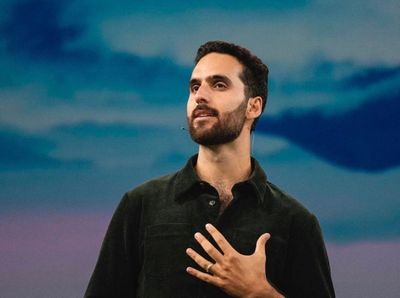
Exec coaching case study: Simone Stolzoff — Bestselling author of How to Not Know and The Good Enough Job, bylines in The Atlantic, The New York Times, ex-IDEO
Self-Comparison is a Waste of Time
→
Why judging yourself for not being as successful as someone else is a fool's errand
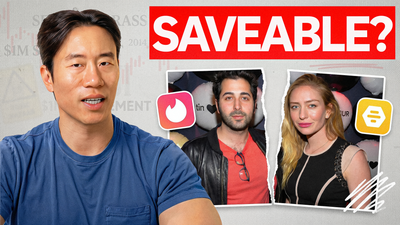
Tinder's Founder Conflict
→
What a Messy Founder Breakup Can Teach Us about Relationship Repair.
Forty Lessons at Forty
→
On Conviction, Risk, Relationships, and Self-Knowledge at Life's Halfway Marker
287: Silent failures are deadly
→
Silent failures occur when leaders miss commitments but avoid communicating it, eroding trust. The fix: reset expectations early, like public companies adjusting earnings guidance.
286: Expertise is a river
→
Expertise is not a fixed asset but rather like a river: constantly flowing and reshaping as technology evolves. The greatest risk is tying your identity to a specific skill set.
285: The world needs difficult people
→
Difficult people aren't bad — they're necessary. Jason Shen explores why dissent, skepticism, and stubbornness serve as vital checks against groupthink, complacency, and even moral failure.
284: No Objective Truth
→
Most interpersonal conflicts aren't about facts — they're about perception. Jason Shen explains why objective truth is elusive and how understanding perceptual ambiguity can transform disagreements.
283: Control is sublinear
→
Control is sublinear: we've gained enormous micro-level control over our lives, but our ability to influence large-scale outcomes grows much more slowly than our ambitions.
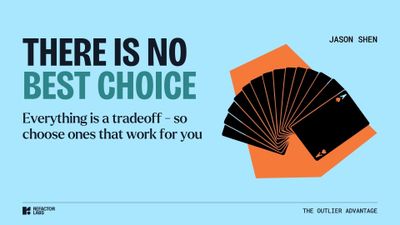
282: There is no best choice
→
There is no best choice — only tradeoffs. Jason Shen draws on coaching founders and Facebook's product culture to explain how reframing decisions as tradeoffs leads to clearer, more confident action.
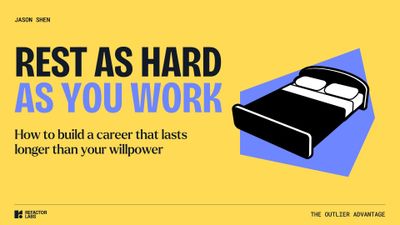
281: Rest as hard as you work
→
Rest is not the opposite of productivity — it's what makes sustained high performance possible. The best performers treat recovery as seriously as they treat work.
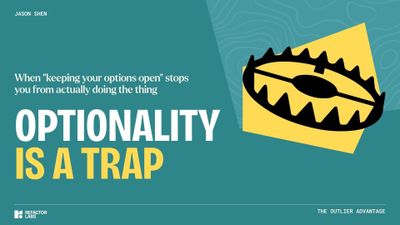
280: Optionality Is a Trap
→
High achievers are trained to preserve options — but at some point, optionality stops being an asset and becomes a trap. Jason Shen explains when keeping doors open actually holds you back.