255: The Dizziness of Freedom
→
More freedom means more anxiety. Jason Shen connects Kierkegaard's philosophy to the founder experience — and explains why commitment, not optionality, is the antidote to existential overwhelm.
235: A Brief Interlude
→
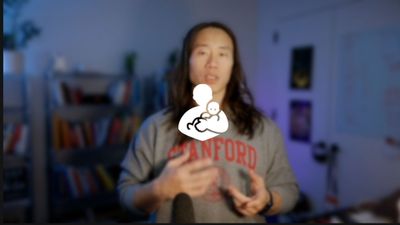
Jason Shen announces the birth of his daughter Ashton and reflects on the surprising parallels between parenting and coaching — both are about cultivating human strengths and helping people thrive.
Pre-Fatherhood 🎬
→
Initial expectations around becoming a Dad
234: How to Reset
→
When ambitious people crash — a failed product, a departed cofounder — they either scramble or freeze. Jason Shen borrows from gymnastics to explain how to rebuild momentum from the ground up.
233: Analogies are OP
→
Analogies are one of the most powerful tools in coaching, communication, and creative problem-solving. Jason Shen explains why metaphors make complex ideas stick and how to wield them effectively.
232: Why Founder Mode Works
→
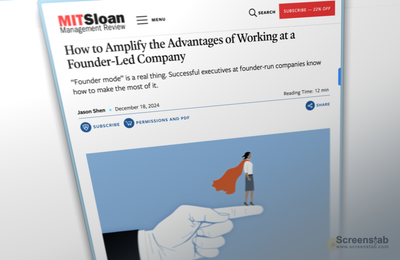
Jason Shen's MIT Sloan Management Review article explains why founder-led companies outperform: domain expertise, earned legitimacy, and stakeholder forgiveness create unique strategic advantages.
231: The Early-Stage Crucible
→
Early-stage founders face a trifecta of challenges: no product-market fit, team conflict, and personal doubt. Jason Shen maps the patterns he sees in his coaching practice.
230: Choosing Better Customers
→
Your early customers shape your company's future. Jason Shen explains why chasing enterprise money while building for startups often backfires — and how to choose customers who push your product forward.
229: Lessons & Anti-Lessons from Gymnastics
→
After 16 years in competitive gymnastics including a national championship at Stanford, Jason Shen shares the positive lessons and maladaptive mindsets the sport instilled in him.
228: Building 10x Better
→
Building something 10x better sounds impossible for a tiny startup. Jason Shen explains how narrowing down — like Bezos selling only books for four years — makes the seemingly impossible achievable.
227: The History in Our Habits
→
We don't always know why we do what we do. Jason Shen shares his father's story of never finishing a glass — a habit rooted in China's Cultural Revolution — and why self-empathy matters.
226: Write It Out
→
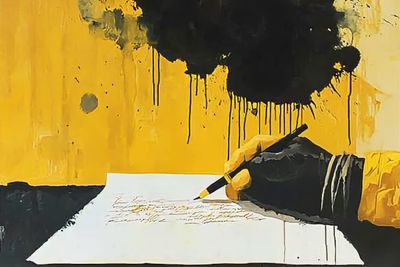
When cofounder conflicts get emotionally charged, face-to-face conversations often fail. Jason Shen makes the case for letter writing as a powerful tool for resolving deep business partnership disputes.